Irish Pub NYC Experiences Perfect for After-Work Meetups
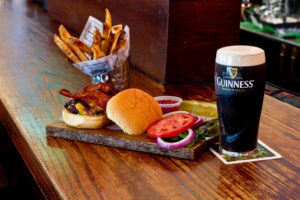
New York has no shortage of bars that claim to be ideal for after-work drinks. Some lean sleek and expensive, built for expense accounts and one polished cocktail before everyone disappears into the subway. Others are so loud by 6:15 p.m. That a casual catch-up turns into a night of leaning across sticky tables and shouting over a playlist nobody asked for. The places that actually work, week after week, tend to be simpler. They have enough warmth to feel welcoming, enough structure to handle groups, enough pace to serve people quickly, and enough personality to keep the evening from feeling like an extension of the office.
That is where a good Irish Pub NYC experience stands apart.
The best Irish pubs in the city understand the mechanics of after-work social life better than almost any other kind of venue. They know how to absorb a rush at 5:30, how to make solo arrivals comfortable while they wait for coworkers, how to keep conversation possible, and how to feed a table that cannot decide whether this is one round and home or a full dinner. They are often more democratic than trend-driven cocktail bars and less chaotic than many sports bars. You can walk in wearing a suit, scrubs, boots, or a backpack and no one looks twice.
That broad appeal is not accidental. It comes from a specific mix of hospitality, room design, menu choices, https://www.google.com/maps?cid=8473725002387728261 and tempo. If you are planning meetups with colleagues, clients, old friends from nearby offices, or a hybrid team that only sees each other in person twice a month, understanding what makes an Irish pub work can save a lot of frustration.
Why Irish pubs suit the end of the workday so well
An after-work meetup has a different job than a weekend night out. It needs to be easy. People arrive at staggered times. Some want a pint and an hour of conversation. Others need dinner. A few may not drink alcohol at all but still want to come. Nobody wants a ten-minute explanation of the cocktail menu or a host stand that treats six coworkers like a private event.
Irish pubs, especially the seasoned ones in Manhattan and the outer borough business corridors, tend to remove friction rather than add it. The service style is usually direct. The drink menu is familiar without being boring. The food is filling, recognizable, and easier to share or order quickly than many small-plate concepts. Seating often includes a mix of bar stools, high-top tables, and booths, which matters more than people realize. A booth supports conversation. A high-top works for floating attendance. Bar seating lets early arrivals settle in without committing the group to a full table.
There is also the question of tone. The strongest after-work venues feel social without feeling performative. Irish pubs often strike that balance naturally. Wood interiors, mirrors, old signage, polished bars, and low warm lighting create an atmosphere that softens the workday without trying too hard. Even modern Irish pubs that have been designed recently often borrow that visual language because it calms a room and encourages people to stay.
I have seen plenty of teams make the same mistake: choosing a fashionable venue that photographs well but functions badly. By 6:45 p.m. The reservation is gone, the music is punishing, the drinks are slow, and half the group peels off. A dependable Irish pub can look less exciting on paper and perform far better in real life.
The city shapes the pub, and the pub reflects the neighborhood
Not every Irish pub NYC office crowd gravitates toward is trying to offer the same experience. Midtown pubs are built for velocity. Financial District spots need to accommodate dense waves of workers and often have the stamina for larger groups. Flatiron and Union Square venues tend to pull a mix of office workers, residents, and people continuing on to dinner elsewhere. In neighborhoods like the East Village, Long Island City, or Park Slope, the after-work crowd blends more quickly into the evening crowd, which changes the rhythm of the room.
That neighborhood effect matters when you pick a meetup spot.
A pub near transit hubs has one clear advantage: fewer text messages asking, “Where exactly is this?” Places near Grand Central, Penn Station, Herald Square, or Fulton Center often become recurring choices because they reduce logistical drag. The trade-off is predictability. These venues can fill up fast and may feel more transactional between 5:30 and 7:00 p.m. If your goal is convenience, that is acceptable. If your goal is lingering over real conversation, a two-block walk away from the busiest corridor can make all the difference.
Some of the most useful after-work pubs are not the famous ones. They are the places that have figured out how to serve a local working population. They know the lunch crowd, the pre-commuter crowd, and the late sports crowd, and they have adjusted staffing and layout accordingly. In practical terms, that means fewer bottlenecks at the bar, better food consistency during rush periods, and a staff that does not flinch when eight people arrive one by one over forty minutes.
What separates a good after-work pub from a merely decent one
People often talk about ambiance first, but operational details determine whether a meetup succeeds. The room has to function.
Noise is the first test. A true after-work venue lets six people hold a conversation without vocal strain. Music can be present, televisions can be on, and the room can feel lively, but the sound level Irish Pub NYC cannot dominate. This is one reason classic pub interiors continue to work so well. Upholstery, wood, lower ceilings, and compartmentalized spaces absorb sound better than open industrial rooms full of concrete and glass.
Service speed comes next. At 6 p.m., nobody wants to wait twenty minutes for a first drink. Pubs with strong bartenders and clear systems do well here. Even when they are busy, they move with an economy that feels reassuring. You order a pint, a whiskey, a soda with lime, or a burger, and things happen in the right sequence. It sounds basic, but basic competence is rare enough in New York that it becomes a selling point.
Food matters more than many planners admit. In almost every office group, at least a third of the table is hungrier than expected. Another third swears they are “just snacking” and ends up ordering fries or shepherd’s pie. The pub menu succeeds because it meets people where they are. It offers enough substance to replace dinner, enough comfort to satisfy stress hunger, and enough speed to keep the night moving. You do not need avant-garde cooking after a difficult Tuesday. You need food that lands well at 6:30.
Then there is the question of space. The best pubs have what I think of as flexible geometry. They can hold pairs, quartets, and groups of ten without making any of those groups feel misplaced. A room full of tiny two-tops is bad for coworkers. A room built only for giant parties can feel impersonal for a casual meetup. Mixed seating is a subtle advantage, and seasoned pub operators understand it.
The ideal after-work pub experience starts before anyone orders
Most frustrations around group drinks have nothing to do with the drink itself. They start with planning.
If you are picking the place, your first job is not finding the “best” pub in abstract terms. It is finding the best fit for your group on that particular day. A team celebrating a project close needs different conditions than two old friends meeting near their offices. A mixed seniority work gathering needs a different energy than a spontaneous debrief among peers. If clients are attending, the room should feel polished but not stiff. If half the group is likely to leave by 7:15, proximity to trains matters more than a deep whiskey list.
A little foresight goes a long way. Some pubs are excellent on a rainy Wednesday and overwhelmed on a Thursday before a holiday weekend. Some become de facto game-day destinations and are best avoided when major matches or playoff games are on. Others look quiet from outside but have an upstairs room or back dining area that makes them ideal for groups.
The most useful planning questions are usually the least glamorous ones.
- Can people hear each other without shouting?
- Is there reliable food beyond bar snacks?
- Will late arrivals be able to find the group easily?
- Does the staff handle walk-in groups calmly?
- Is the location fair for commuters coming from different directions?
Those five questions will tell you more than a hundred online reviews.
Drinks are important, but range matters more than novelty
One reason the Irish Pub NYC category works so well for groups is that it rarely overcomplicates the menu. That is a feature, not a limitation. A bar built around showy mixology can slow everything down, especially when people order in rounds and split tabs awkwardly. A pub with a solid draft program, familiar bottles, a competent bartender, a few dependable cocktails, and a thoughtful nonalcoholic selection usually serves the room better.
That last point deserves more attention than it gets. The modern after-work meetup is rarely an all-drinking crowd. Some people are pacing themselves because they have a long commute. Some are training for a race. Some do not drink at all. Some are coming from another event. A pub that treats nonalcoholic orders as an afterthought can make part of the group feel peripheral. The stronger venues now carry alcohol-free beer, decent sparkling options, and simple spirit-free drinks that do not feel childish. It is a small gesture with an outsized effect on group comfort.
Beer still anchors the experience, of course. A well-kept pint remains one of the most efficient social drinks in the city. It arrives fast, suits conversation, and does not require too much explanation. Guinness has its place, but what matters more is whether the draft lines are clean, the pour is consistent, and the bar staff takes the category seriously. The same principle applies to whiskey. A pub does not need to stock every label on the market, but a focused, well-chosen back bar signals care.
Food that supports the evening, not distracts from it
A strong pub kitchen understands the tempo of after-work service. Dishes should come out fast, hold their quality under pressure, and satisfy a wide range of appetites. That does not mean the menu has to be predictable in a dull way. It means it should be practical.
The classics endure because they suit the occasion. A good burger cuts through a long day. Fish and chips are easy to share or claim as a full meal. Shepherd’s pie, bangers and mash, chicken sandwiches, soups, and sturdy salads all have their place. The common thread is not authenticity theater. It is utility. The food should support socializing, not demand too much attention or introduce too much risk.
Office groups also benefit from menus that are forgiving. If someone arrives late, they should still be able to order something substantial without derailing the table. If one person wants a full dinner and another wants only fries, the venue should accommodate both without making either choice feel odd. This is another area where pubs tend to outperform more concept-driven spots.
One practical note from experience: if your group may stay longer than an hour, choosing a pub with genuinely good food improves the mood of the entire evening. People settle in. They order a second round more thoughtfully. They stop watching the time so anxiously. Hunger is one of the most common reasons after-work plans dissolve early.
Timing can make an average meetup feel excellent
The difference between 5:15 and 6:15 in New York can be dramatic. Early arrivals often get the best version of a pub, easier seating, quicker service, and a chance to establish a base before the rush hits. By contrast, arriving with a full group at the peak crush can turn a simple meetup into a logistical exercise.
If your coworkers are flexible, suggest a start time ten or fifteen minutes earlier than instinct would tell you. The group still fills in naturally, but you increase the odds of getting the right table and smoother first service. For recurring meetups, patterns matter. A pub that is impossible on Thursdays may be ideal on Tuesdays. A place that is overrun during holiday season may be perfectly manageable in late winter.
There is also a smart middle ground between reservations and pure improvisation. Some pubs do not take formal bookings for small groups, but they will advise on timing if you call and ask about the crowd. Others reserve sections informally for regulars or neighborhood business groups. Polite, direct communication still works in this city more often than people think.
The intangible factor: hospitality without performance
Many bars can pour a drink. Fewer know how to host. The best pubs have a style of hospitality that feels grounded. You are acknowledged quickly. Staff members read the room. They understand when a group wants attention and when it wants space. They can be efficient without being cold and friendly without becoming intrusive.
That quality matters especially for work-related gatherings, where social dynamics are more delicate than they appear. A junior employee joining leadership for a drink may already feel slightly self-conscious. A client dinner that started formal may be trying to loosen up. A reunion of former coworkers may carry ten different emotional registers at once. A room that feels stable and welcoming gives people somewhere to land.
There is a reason so many New Yorkers become loyal to particular pubs. Familiarity has value here. If a place remembers how to handle your group, knows what “a few of us are coming from Midtown East and a few from downtown” means in practical terms, and consistently makes the evening easier, it earns a permanent place in your rotation.
Choosing between a classic pub and a modern interpretation
The phrase Irish Pub NYC can describe very different establishments. Some are old-school in the best sense, dark wood, framed memorabilia, bartenders who can read the room in seconds, and menus that have changed slowly. Others are newer, brighter, a little more design-forward, and often more expansive in food and drinks.
Neither style is automatically better for after-work meetups. The choice depends on what kind of evening you want. A traditional pub often wins on warmth and conversational ease. A newer version may offer better accommodations for dietary preferences, more polished private or semi-private space, and a broader range of beverages.
There are trade-offs. Some classic pubs feel wonderfully lived-in but can be cramped. Some modern pubs look spacious but lose that acoustic softness that makes talking easy. In my experience, groups of four to eight often thrive in a traditional setting, while larger team meetups sometimes benefit from the cleaner logistics of a newer space. The right answer is usually less about ideology than execution.
When a pub is the wrong choice
Even the best venue type has limits. If your group needs a truly quiet setting for confidential conversation, a busy pub may not work. If one person has serious accessibility needs, older buildings can present challenges depending on entryways, restrooms, and seating arrangements. If your event depends on strict timing, such as a quick drink before a show or train departure, a crowded bar with no reservation system can introduce too much uncertainty.
Sports schedules can also change the entire character of a pub. A place that is perfect on an ordinary evening may become packed and deafening during a major soccer match, a playoff game, or certain holiday periods. There is no moral failing there, just a mismatch between venue and purpose. Good planning means respecting the rhythms of the room rather than fighting them.
For groups seeking a low-key networking event, there is one more caution. Some pubs are so beloved by regulars that newcomers can feel like they are entering somebody else’s living room. That intimacy is a virtue in many contexts, but it can make a one-off meetup feel awkward if the room is already fully claimed by its own social ecosystem.
How to make the meetup feel effortless
A little social engineering helps, especially when not everyone knows each other well. Pick a pub with clear sightlines so newcomers can find the group without anxiety. Text one sentence with a landmark, “We’re at the back right booth,” and save five people from circling the room. Order a first round of shared snacks if the kitchen is quick. It anchors the table and buys time for staggered arrivals.
If the group includes both direct colleagues and cross-functional people who rarely meet, a pub setting can do real connective work. It gives structure without pressure. People open up differently over a pint and a plate of fries than they do in a conference room or formal dinner. Not dramatically, not in a movie-script way, but enough to matter. The strongest after-work meetups create exactly that shift, from obligation to ease.
A few practical habits improve the odds every time.
- Choose a location within five to seven minutes of major transit when possible.
- Aim for arrival before the peak surge if your group is larger than four.
- Favor places with both food and nonalcoholic options, even if most people plan to drink.
- Avoid game nights unless watching the game is part of the plan.
- Keep the first venue simple rather than trying to impress.
That approach may sound modest, but modesty is often the secret. A successful meetup is not about novelty. It is about removing obstacles and giving people a place where they can actually enjoy each other’s company.
Why these places keep earning repeat visits
The pub that becomes your group’s regular spot usually does so quietly. Nobody declares it the winner in a formal vote. It simply keeps delivering. The lighting is forgiving. The bartenders are quick. The fries are hot. There is room for two people or ten. The music stays in the background. Nobody feels rushed the moment they finish their first drink. The place knows what it is.
That reliability has real value in a city where so many plans are fragile. Subways are delayed, meetings run late, weather turns ugly, and half the group may cancel and then reappear. A good Irish pub absorbs that unpredictability. It lets the night be casual without becoming careless.
After-work socializing is often treated as a minor thing, but it shapes office culture, friendships, client relationships, and neighborhood habits more than people admit. The places where those hours happen matter. A well-chosen Irish Pub NYC professionals can count on does more than serve pints. It gives people a setting where the day can loosen its grip, conversation can return to a normal human volume, and a work gathering can briefly feel like a gathering rather than an obligation.
That is why the category endures. Not because it is trendy, and not because every pub is automatically great, but because at its best, it understands what city life demands at 6 p.m. Better than most venues, it knows how to welcome the tired, the hungry, the late, the sociable, the reserved, and the undecided. For after-work meetups, that is not a small advantage. It is the whole game.
Hibernia Bar
401 W 50th St
New York, NY 10019, United States
Phone: +1 212-969-9703
FAQ About Irish Pub NYC
What is the best Irish pub in NYC?
The best choice depends on your location and preferred atmosphere. Hibernia Bar is a neighborhood Irish pub in Hell's Kitchen offering Guinness, Irish whiskey, pub food, and sports viewing.
Where do Irish people go in NYC?
New York's Irish community gathers in many neighborhoods and venues. Hibernia Bar welcomes Irish expats, local residents, and visitors at 401 W 50th St, just off Ninth Avenue.
Where can I watch GAA games in New York?
Hibernia Bar lists GAA among the sports it shows. Call +1 212-969-9703 to confirm coverage and opening times for a particular match before visiting.
What is the difference between a bar and a sports bar?
A sports bar emphasizes televised games and a shared viewing atmosphere. Hibernia combines sports viewing with the food, drinks, and hospitality of a neighborhood Irish pub.