Top Cocktail Menus to Explore at a Bar NYC
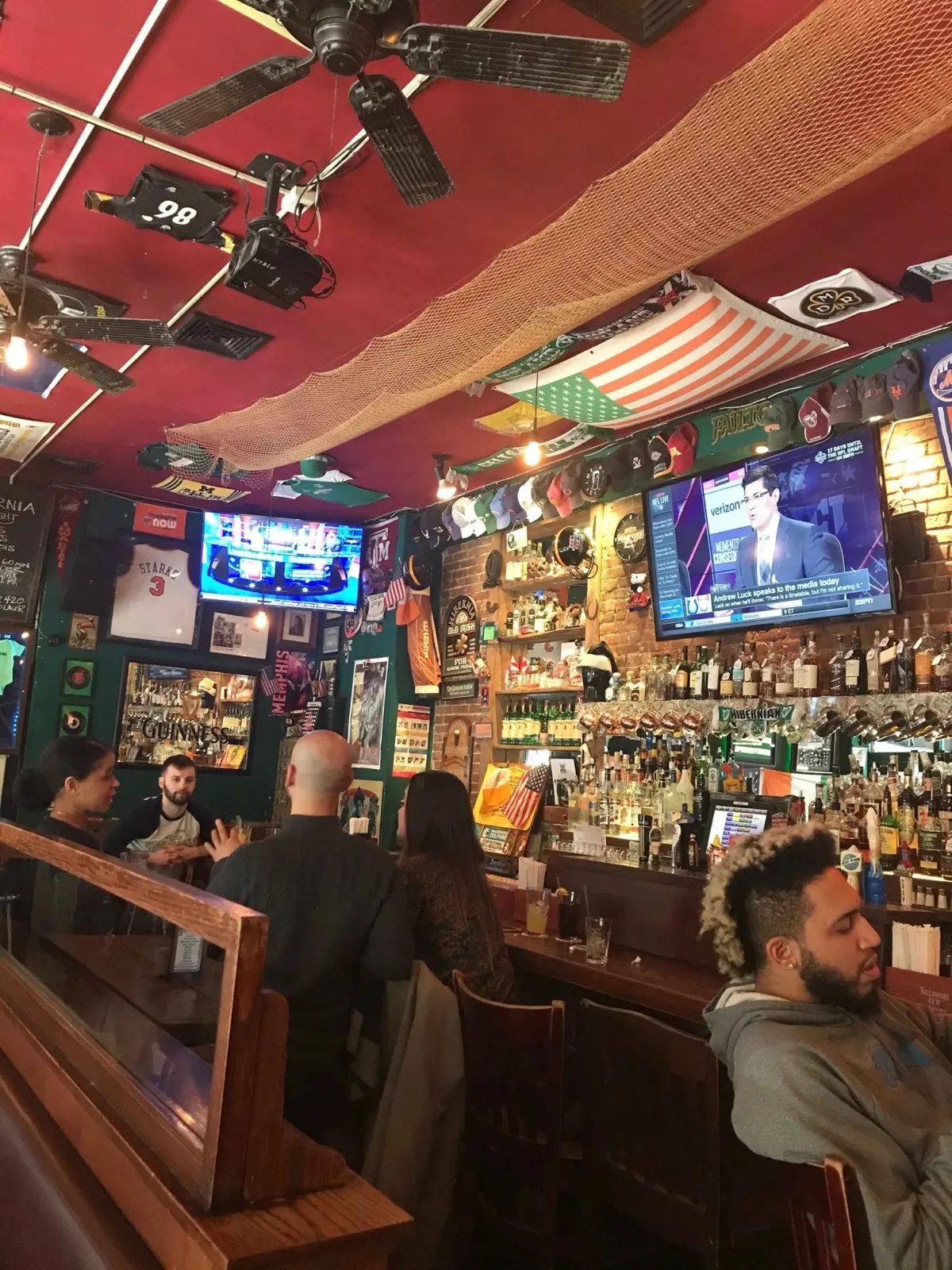
New York rewards curiosity, especially when it comes to what lands in the glass. Anyone can walk into a room with low lighting, polished brass, and a back bar full of labels. The real pleasure starts when a cocktail menu shows intention. A strong menu tells you what a place values. It might honor classic technique, lean into seasonal produce, dig through regional spirits, or treat the drink list like a short piece of theater. In a city as competitive as this one, menus have to do more than list ingredients. They need to create a point of view.
That is what makes exploring a Bar NYC scene so satisfying. You are not just choosing between martinis and negronis. You are deciding what kind of experience you want for the next hour or two. Some menus are built for serious drinkers who want precision, dilution control, and obscure amari. Others are designed for groups that want a little fun without sacrificing quality. The best ones manage both. They are easy to read, but they also reward a closer look.
I have spent enough nights in New York bars to know that the menu often predicts whether the evening will feel forgettable or memorable. You can usually tell within thirty seconds if the team behind it understands balance, pacing, and hospitality. A cluttered menu packed with syrup-heavy signatures often signals style over substance. A tighter menu, with clear flavor cues and a few unexpected turns, usually means someone behind the stick has done the hard work.
What makes a cocktail menu worth exploring
A cocktail menu earns attention when it gives you something more than a shopping list of spirits and modifiers. Plenty of bars can make a solid old fashioned. Fewer can present a menu that helps guests move through it with confidence, whether they are ordering their first stirred drink or asking for a split-base mezcal variation with an alpine liqueur.
The first thing I look for is structure. A smart menu helps people navigate by flavor, mood, or drinking style. Maybe the drinks are divided into bright, spirit-forward, savory, and long. Maybe each cocktail gets a one-line descriptor that actually tells you what it tastes like instead of resorting to vague poetry. “Crisp, saline, and herbal” is useful. “A moonlit stroll through memory” is not, unless the bartender is standing right there to decode it.
The second marker is restraint. Menus that try to do everything often end up feeling padded. A bar with eight to twelve signatures, plus a few seasonal changes and a competent classics program, is usually in a better place than one offering thirty original cocktails. Tight menus force discipline. They also make it easier for the staff to execute every drink at a high level during a rush.
The third is how well the menu matches the room. A downtown basement spot can get away with a more adventurous list than a busy hotel lounge serving travelers at six in the evening. Neither approach is inherently better. The strongest bars simply know who they are. Their menus feel like an extension of the room’s energy, not a separate creative exercise pasted on top.
Menus built around classics, and why they still matter
Some of the best cocktail menus in New York start with familiar bones. This is not laziness. It is discipline. When a bar chooses to build around classics, it invites scrutiny, because guests already know the target. A martini must be cold, quiet, and exact. A Manhattan has nowhere to hide. If the proportions are off, if the vermouth is tired, if the citrus oils are stale, the drink exposes the bar immediately.
The appeal of a classics-led menu is that it teaches trust. Once you have had a proper martini or a sharply tuned boulevardier at a bar, you are more likely to give the bartender room to improvise on your second round. Some menus do this beautifully by pairing standards with house riffs. You might see a negroni beside a variation that swaps gin for a gentian-forward aperitif, or a whiskey sour next to a version brightened with seasonal fruit and a touch of spice. The menu becomes a conversation between heritage and interpretation.
There is another reason these menus work in New York. The city attracts every type of drinker, from the finance crowd that wants a textbook Gibson to the industry regular chasing some tiny adjustment in proof or dilution. A menu rooted in classics can satisfy both if the team has judgment. The drink stays recognizable, but the details show care. Maybe the bar freezes the glassware, uses a house blend of vermouths, or serves one signature stirred drink over a carved block rather than standard cubes. Those choices matter more than flashy garnishes ever will.
Seasonal menus that actually reflect the season
Seasonality gets overused in hospitality copy, but in a serious cocktail program it means something concrete. It means the menu tastes different in April than it does in October, not just because one drink gets a sprig of mint and another gets a cinnamon stick. It means acid levels, sugar levels, aroma, and texture shift with the produce and the weather.
Spring menus tend to shine in New York because the city has been drinking brown spirits and baking spices for months. The first genuinely fresh snap peas, strawberries, rhubarb, herbs, and tender greens feel electric after winter. A good spring cocktail menu uses those ingredients carefully. Too much vegetal flavor can turn muddy fast, and too much fruit can become dessert. The bars that get it right usually keep the structures clean, with a bright gin sour, a highball with herbal lift, or a sherry-based drink that lets fresh ingredients breathe.
Summer is more difficult than many guests realize. Heat changes the way people perceive sweetness and alcohol. Crowded rooms speed service, which means the drinks must be both refreshing and executable. The strongest summer menus in a Bar NYC setting lean on length, bubbles, lower proof options, and crisp acids. Think well-made spritzes, long tequila drinks sharpened with saline, and cobbler-style serves with crushed ice that are balanced rather than sugary.
Fall and winter are where some bars overplay their hand. It is easy to dump baking spices into everything and call it seasonal. More thoughtful menus pull in apples, pears, walnuts, fortified wines, bitter liqueurs, aged spirits, and smoke in measured ways. A cold-weather cocktail should feel comforting, not exhausting. The best ones keep enough lift to invite a second round.
Agave-forward lists and the New York palate
One of the most interesting developments in the city’s cocktail culture has been the rise of agave-focused menus. New York drinkers have become far more fluent in tequila and mezcal than they were a decade ago. That has pushed bars to move past the predictable spicy margarita and offer menus that show range. The better lists distinguish between bright highland tequila profiles, earthier lowland expressions, and the broad smoky spectrum of mezcal without turning the menu into a lecture.
Agave menus work especially well when they account for both newcomers and devotees. A smart bar might include one clean, citrus-driven tequila drink for the guest who wants something familiar, then build outward into savory mezcal cocktails, stirred tequila drinks with bitter structure, and lower-proof serves that use agave spirits as accents rather than blunt force. This matters because mezcal, in particular, can dominate a drink if handled carelessly. Not every guest wants a campfire in the glass.
Food pairing also matters here. In neighborhoods where people often move from drinks to dinner, agave-focused menus can be surprisingly versatile. Saline notes, green herbs, and chili heat play well with seafood, modern Mexican cooking, and even certain Japanese dishes. I have had some of the most balanced pre-dinner drinks in New York at bars that understood restraint with smoke and kept sweetness under control.
Martini menus, from minimalist to maximalist
The martini deserves its own category because certain New York bars now treat it almost like a small menu within the menu. That can be a wonderful thing when it is done with seriousness. A thoughtful martini section is not about adding blue cheese, candy, or spectacle. It is about giving guests meaningful choices in ratio, temperature, garnish, and aromatic profile.
At the minimalist end, some bars offer only a few variables, perhaps gin or vodka, a dry or wet build, and olive or twist. In the right hands, that is enough. The staff knows exactly how cold the drink should be, how long to stir, which vermouth complements which base, and what kind of glass best preserves temperature. The result feels effortless, though it never is.
At the more expansive end, some menus present martinis with distinct identities. One might be bright and saline with a whisper of fino sherry. Another might lean floral and waxy through a specific gin choice and lemon expression. A third might be heavier and savory, built around olive brine and a touch of onion. The key is whether these variations feel intentional rather than gimmicky. New Yorkers are willing to pay for a martini program if they can taste the difference.
A good martini menu also respects pacing. These drinks hit hard, even when they feel light. The best bars know how to guide guests from a Martini to something longer or softer on the second round, especially if the evening is just getting started.
Menus that lean into low-proof and no-proof, without feeling dutiful
New York drinkers are more interested in moderation than many bar owners expected, and the bars adapting best are the ones treating low-proof and no-proof drinks as part of the core menu rather than an afterthought. Guests do not want to feel punished for ordering below full strength. They want complexity, texture, aroma, and pleasure.
The strongest low-proof lists rely on ingredients that already carry depth: vermouths, quinquina, sherry, amaro, aperitifs, tea, and fresh herbs. These drinks can be deeply satisfying when built with proper acid balance and enough backbone. In fact, on a long night, I often prefer a well-made bamboo variation or a spritz sharpened with citrus and bitter orange to another full-proof stirred drink. It keeps the palate awake.
No-proof cocktails are harder. Once alcohol leaves the equation, sweetness can spike, and texture often collapses. That is why many of the city’s better bars lean on tea tannin, salt, clarified juices, spice, and carbonation to build structure. The difference between a serious no-proof drink and a fancy juice is usually tension. You need bitterness, acid, or savory depth to keep it honest.
For guests navigating a cocktail menu, these are the signs that low-proof and no-proof options are likely worth ordering:
- The drinks use specific ingredients with flavor structure, such as sherry, verjus, tea, gentian alternatives, or salted fruit.
- The menu places them alongside the main signatures instead of isolating them in tiny print at the bottom.
- The descriptions mention texture and balance, not just fruit flavors.
- The bartenders can explain why a no-proof drink tastes the way it does.
- The price reflects craft, but not so aggressively that it feels cynical.
Neighborhoods shape the menu more than people admit
A cocktail menu in New York never exists in a vacuum. Neighborhood rhythm influences what works. A polished hotel bar in Midtown often benefits from directness. Guests may be entertaining clients, killing time before dinner, or recovering from travel. They want confidence and clean choices, not a page of obscure references. Menus here tend to do well when they foreground classics, premium spirits, and a few signatures with broad appeal.
Downtown bars often have more room to push. Guests may arrive specifically to drink, and the bar may be one stop in a longer night. That allows for funkier spirits, more adventurous savory components, and conceptual menus that would feel forced elsewhere. In the East Village or the Lower East Side, a playful menu can thrive if the staff understands how to keep service quick and the tone unpretentious.
Brooklyn brings its own dynamic. In many neighborhoods, guests settle in for longer stretches, often in mixed groups with different levels of cocktail knowledge. Menus here often benefit from warmth and accessibility, with enough creativity to feel current but enough clarity to avoid alienating anyone. Some of the city’s most enjoyable lists live in this middle ground, where technical skill and ease coexist.
Uptown and residential neighborhoods can surprise people. A local spot with a sharp menu often develops a fiercely loyal crowd because regulars notice consistency. In these rooms, bartenders have the advantage of memory. They know whether a guest usually wants something dry, bitter, or tall, and the menu can act more as a jumping-off point than a fixed set of instructions.
Reading a menu like a regular
There is a small art to ordering well in New York, especially at busy bars where menus move fast and attention is split. You do not need insider vocabulary, but it helps to know what signals quality. Ingredient count matters less than drink architecture. A four-ingredient cocktail can be more sophisticated than one with nine components if each part has a clear purpose.
One thing I advise people to watch is where the sweetness comes from. If a menu piles fruit purée, flavored syrup, and liqueur into the same build, the drink may end up soft and loud. Better bars distribute sweetness more carefully and use acid or bitterness to frame it. If you like spirit-forward drinks, scan for modifiers that add length without burying the base, such as dry vermouth, amaro, sherry, or an aperitif with bitterness.
Another useful trick is to ask what the bar is proud of right now. Not “what’s good,” because that puts the bartender in a social bind. Ask what feels most representative of the current menu. You often get a more honest answer, and it opens the door to conversation about what the bar hiberniabar.com Bar NYC is trying to do.
A few practical habits can improve the experience immediately:
- Start with one drink that matches your mood, then adjust based on what arrives, rather than ordering three rounds in your head before the first sip.
- If a menu description is vague, tell the bartender what you usually dislike. “Nothing too sweet” is more useful than “surprise me.”
- Pay attention to glassware temperature, dilution, and garnish restraint. Those details reveal more than the bottle selection.
- If you are eating, mention it before you order. The right cocktail with food can transform both.
- When a menu seems overcomplicated, ask for the simplest drink on it. Simplicity exposes quality.
The rise of themed and conceptual cocktail menus
Some New York bars treat the menu as narrative. This can go badly when concept overwhelms drink quality, but when the execution is sharp, a themed menu becomes part of the pleasure. I have seen menus built around neighborhoods, seasons, music, cinema, historical references, even a single ingredient family. These can create a stronger memory than a generic list of signatures because they give the guest a frame.
Still, concept introduces risk. Dense text can slow service, and not every guest wants to decode a story before ordering. The bars that succeed keep the concept legible. They let the design or naming carry some of the personality while keeping the drink descriptions practical. If a menu requires a lecture to make sense, it has failed. If it sparks curiosity and still gets a drink into your hand quickly, it has done its job.
There is also a question of longevity. Some concepts age quickly. A reference-heavy menu tied to a moment in pop culture may feel stale in six months. Menus anchored in flavor, place, or technique usually endure longer because they rest on something more durable than novelty.
Price, value, and when an expensive menu earns it
Cocktails in New York are expensive. That is not news. What matters is whether the menu justifies the price. Guests tend to focus on bottle cost, but value in a good bar comes from several less visible factors: prep time, perishability, labor, ice program, glassware, training, and consistency under pressure. A clarified milk punch or a finely tuned freezer martini takes planning and discipline. You are paying for that as much as for the spirit itself.
That said, expensive does not always mean thoughtful. Some menus inflate prices by leaning on luxury cues that do little in the glass. A top shelf tequila or a flashy garnish cannot rescue weak balance. I would rather drink a perfectly built, moderately priced daiquiri than a bloated signature with prestige branding and no backbone.
The bars that offer real value tend to do a few things well. They keep the menu concise, explain flavors clearly, execute classics without ego, and make room for different spending levels. Maybe there is a celebratory reserve option for the big night, but there is also a beautifully built highball or sherry drink that feels generous and complete. That range is one of the quiet signs of a mature program.
Where the most memorable menus usually succeed
The best cocktail menus in New York do not chase every trend at once. They know what kind of bar they are, and they commit. Some menus earn loyalty through technical mastery. Others win on warmth, readability, and one or two drinks people talk about for months. The common thread is not style. It is judgment.
A memorable menu balances familiarity and surprise. It gives the guest one obvious place to start, then invites a little exploration. It reflects the room, the season, and the neighborhood without feeling trapped by any of them. It gives bartenders enough structure to maintain consistency, but enough flexibility to meet the person in front of them.
That is why exploring a Bar NYC scene through cocktail menus remains one of the best ways to understand the city itself. You see ambition, restraint, trendiness, tradition, hospitality, and ego, sometimes all in one night. When the menu is good, it sharpens your attention. The room sounds better. The conversation settles in. The second drink becomes easier to choose than the first.
And that, more than any single ingredient or technique, is what the top cocktail menus actually offer. They help you feel that you are exactly where you should be, with exactly the right glass in hand.
Hibernia Bar
401 W 50th St
New York, NY 10019
(212) 969-9703
FAQ About Bar NYC
What is there to do in Hell's Kitchen, NYC?
Explore the restaurants and bars along Ninth Avenue, catch a Broadway show nearby, or visit the Intrepid Museum on the Hudson River. Hibernia Bar is at West 50th Street and Ninth Avenue, a convenient stop before or after a show.
What are some bars in New York City that serve good food?
Hibernia Bar in Hell's Kitchen serves wings, burgers, fish and chips, and shepherd's pie. Its kitchen lists a 2 a.m. closing time, which makes it an option for dinner after a show or a game.
How far is Hell's Kitchen from Times Square?
Hell's Kitchen is just west of Times Square. From Broadway and West 45th Street, Hibernia Bar is roughly 0.6 miles away, or about a 12-minute walk depending on crowds.