Why Rooftop Bar NYC Nights Never Go Out of Style
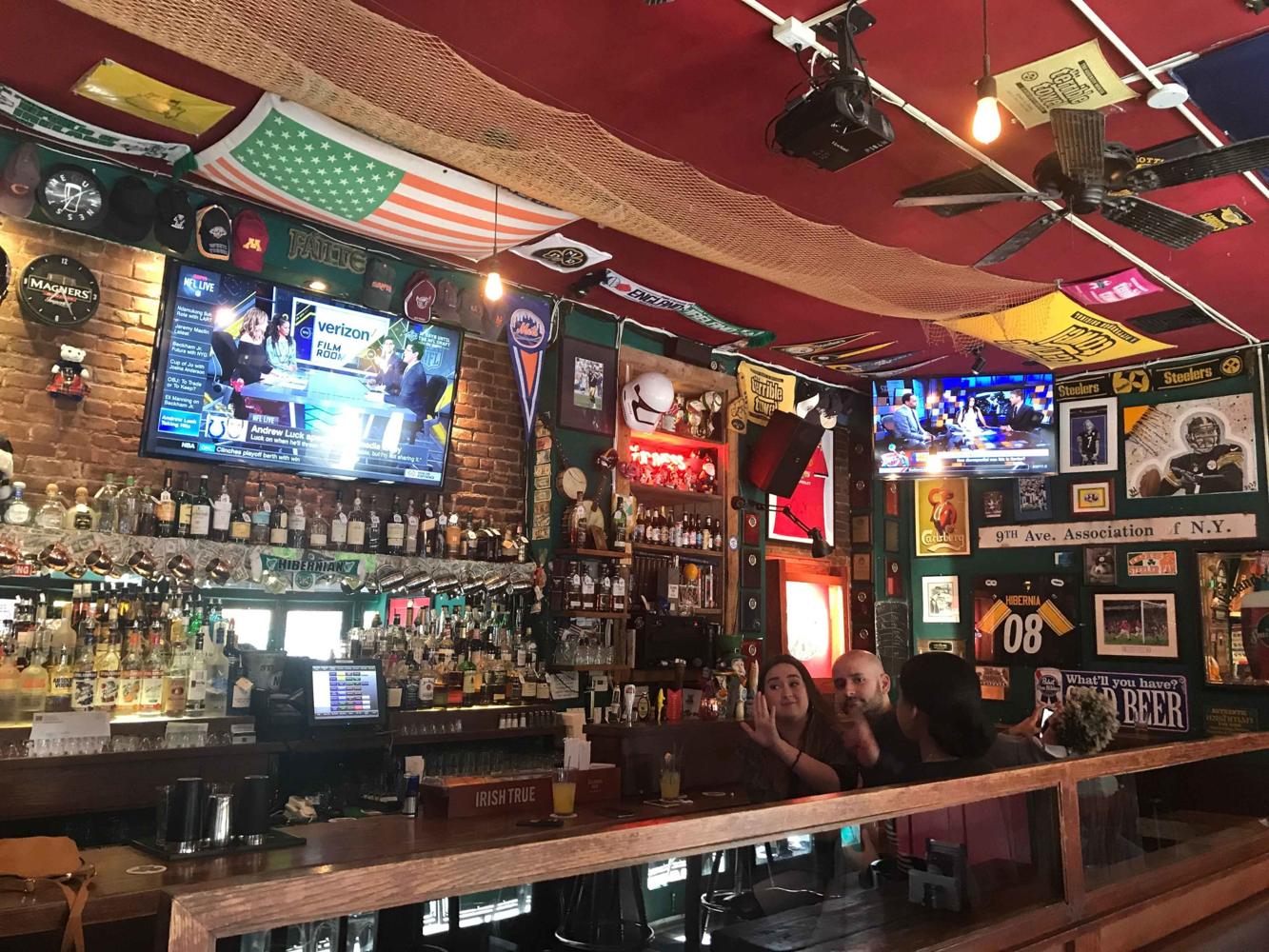
New York changes constantly, yet some experiences keep their grip on the city’s imagination. A rooftop night out is one of them. Trends come and go, neighborhoods rise and soften, menus reinvent themselves, and hotel brands cycle through glossy relaunches. Still, the appeal of stepping out of an elevator and into open air, glass in hand, with the skyline stretched around you, has not faded.
That staying power is not an accident. Rooftop culture in New York rests on something deeper than novelty. It offers theater, relief, status, perspective, and a kind of temporary escape that feels unusually precious in a city defined by pressure and pace. People do not visit a rooftop bar NYC venue merely for a drink. They go for the shift in atmosphere, the sense that for a couple of hours the city belongs to them in a different way.
Anyone who has spent enough evenings in New York has seen how these spaces work. The crowd forms slowly at first, often with a few early arrivals angling for the best banquette or sunset-facing rail. Light reflects off nearby buildings, then softens. Office clothes loosen. Tourists take photos, locals pretend not to, and everyone pays attention when the sky turns that brief shade of pink and silver that only seems to last three minutes. By the time darkness settles in, the room has changed character entirely. What was a scenic perch at six becomes a social stage at nine.
That transformation is a big reason rooftop bars never go out of style. They do more than serve drinks. They create a compressed version of what people want from New York itself: energy, beauty, ambition, and the chance to feel part of something larger.
The city looks different from above
Street level New York can be harsh on the senses. It is loud, dense, hot in summer, windy in winter, and nearly always crowded. That is part of its charm, but it is not always relaxing. A rooftop offers a rare counterpoint. You are still in the city, but no longer swallowed by it.
That visual distance matters more than people admit. Up high, the disorder organizes itself. Traffic becomes movement instead of noise. Water towers and terraces create texture. Bridges stop feeling like infrastructure and start reading as landmarks. Even familiar neighborhoods regain some mystery when seen from the right angle.
This is especially true in Manhattan, where height has always shaped the mythology of the place. New York’s architecture was built to be looked at from multiple vantage points. Art Deco spires, modern glass towers, older masonry blocks, church steeples tucked between office buildings, all of it makes more sense when your eye can travel across the skyline instead of straight into the back of the person ahead of you on the sidewalk.
The best rooftop bars understand this and design around it. They know sightlines matter. They avoid overbuilding the perimeter. They place seating where guests can actually absorb the city rather than stare into decorative foliage or someone else’s champagne bucket. Bar NYC Even details like low lighting, glass railings, or restrained music volume during sunset hours can make the difference between a place that merely occupies a roof and one that uses it well.
Season after season, the format keeps adapting
One common mistake is to think rooftop bars are only summer destinations. Summer certainly delivers their most photogenic nights, but the category survives because it has learned to stretch across the calendar. Operators in New York are too experienced to let prime square footage sit idle for half the year.
On a practical level, that means retractable roofs, heat lamps, enclosed terraces, wool throws, weatherproof banquettes, and menus that pivot as temperatures change. In July, a light spritz, crushed ice, and citrus can carry the room. In November, guests lean toward spiced cocktails, darker spirits, hot snacks, and any seat shielded from the wind. The city’s better rooftops know exactly when to make that switch.
There is also a psychological side to the seasonal appeal. In summer, the draw is openness. People want air, sun, late twilight, and the sense of lingering outside even when they are technically inside a hospitality venue. In colder months, the pleasure comes from contrast. A warm rooftop lounge in December can feel almost conspiratorial, like a hidden pocket of comfort above a hostile street.
That adaptability protects the rooftop bar from becoming a gimmick. It is not tied to one weather pattern or one type of guest. It remains relevant because it evolves with the city’s rhythms, which is something New York rewards.
The social mechanics are hard to replicate anywhere else
A good rooftop night works because the setting does half the social work for you. People are more inclined to linger when the environment feels elevated, literally and emotionally. Conversations open faster. Dates feel less forced. Group dinners that might drag in a conventional dining room often gather energy once the party moves upstairs for a final round.
There is also a useful ambiguity to rooftop spaces. They can support a lot of different intentions at once. One corner might hold a couple celebrating an anniversary, another a team blowing off steam after a brutal quarter, another a solo traveler taking in the skyline with one perfect martini. None of these groups cancels out the others. In fact, that mix is part of the appeal.
New York nightlife has always depended on this balance between friction and flow. Places become memorable when they let guests feel both comfortable and slightly charged. Rooftop bars are particularly strong at that. The setting is glamorous enough to raise the stakes, yet often casual enough to avoid stiffness. You can dress up without committing to a black-tie mood. You can stop by for one drink and stay for four without feeling like the evening was overplanned.
This flexibility is why the phrase Bar NYC carries so much weight in travel searches and local recommendations alike. People are not looking for alcohol alone. They are looking for atmosphere, and in New York atmosphere is never neutral. It can make an ordinary Tuesday feel significant.
A skyline never stops selling the fantasy
Some experiences stay popular because they flatter the guest. Rooftop bars do this exceptionally well. They allow people to enter a highly cinematic version of city life, if only for an evening. The skyline acts as instant set design. The glassware gleams a bit more. The outfit gets noticed. Even a modest cocktail can feel more indulgent when it comes with a 20-story view.
There is Bar NYC nothing shallow about acknowledging that. Hospitality has always been partly about fantasy. The strongest venues understand the fantasy they are offering and deliver it with discipline. In New York, that fantasy is tied to access. Behind the velvet rope is one version of access, but the better version is psychological. It is the feeling that you have reached a vantage point not everyone gets to enjoy every day.
That sense of occasion matters, especially in a city where people are selective about how they spend time and money. When a drink costs more than it should, the setting has to justify it. A rooftop can do that, but only if it delivers the emotional return people came for. Guests will forgive expensive cocktails if the room is beautiful, the service efficient, and the view memorable. They will not forgive paying premium prices for a cramped terrace with weak drinks and no seat.
The enduring venues know this. They invest in the full experience, not just the photo opportunity.
Rooftops work for locals, not just visitors
Tourists are often blamed for keeping certain hospitality trends alive, but that reading misses the local loyalty many rooftop bars enjoy. New Yorkers return to rooftops for reasons that differ from a visitor’s, and those reasons are powerful.
A local might choose a rooftop because it is one of the few places that still feels festive without requiring a full night out. It is easy to meet a friend after work, have two drinks, watch the light change, and head home by ten. That is a very different use case from the weekend traveler trying to maximize every minute in the city, but it is just as important to the business.
Locals also use rooftops selectively. They often know which ones are best for an early evening date, which are better for a client meeting with some polish, and which should only be attempted if someone else is paying for bottle service. Experience teaches these distinctions quickly. A rooftop with a breathtaking downtown view might be useless if the elevator situation is chaotic. Another might have average scenery but impeccable pacing from the staff, making it far more pleasant in practice.
That practical intelligence is part of rooftop culture too. New Yorkers do not keep returning out of sentimentality. They return because, when done right, these places solve a real problem: how to make time in the city feel special without adding unnecessary friction.
Design does a lot of invisible work
Most guests notice obvious elements first, the skyline, the music, the people, the glassware, maybe the pool if there is one. But the success of a rooftop bar often comes down to the less glamorous decisions.
Wind management is one. Sound control is another. Lighting is a third, and it is frequently mishandled. Too bright, and the room feels like an airport lounge. Too dim, and everyone uses phone flashlights to read the menu, which ruins the mood immediately. Seating density matters as well. Operators are tempted to maximize covers because rooftop real estate is expensive, but overcrowding destroys the very spaciousness guests came to enjoy.
Then there is circulation. Good rooftop bars let people move naturally between the bar, the railing, lounge areas, and tables. Bad ones create bottlenecks near every scenic angle, so staff carrying drinks must thread through clusters of guests taking photos. That is not just annoying. It changes the room’s energy from effortless to strained.
The strongest spaces also understand restraint. Not every rooftop needs tropical wallpaper, fire pits, and a DJ booth large enough for a festival. Sometimes the architecture and view are enough. The venues that age well tend to know what not to add.
Drinks matter more than the marketing suggests
Views can get people in the door, but beverages determine whether they come back. This sounds obvious, yet some rooftop programs still treat the bar as secondary to the backdrop. That is a short-term strategy at best.
New York guests are sophisticated. They know when a cocktail is all sugar and no structure. They can spot low-effort batching, watery ice, lazy garnish, and wine lists assembled to hit margins instead of pairings. On a rooftop, where prices usually run high, the standard rises accordingly.
A dependable rooftop program typically gets a few things right:
- Cocktails are built for speed without tasting generic.
- The menu includes at least a few drinks that suit warm weather and open air.
- Bartenders understand pacing, not just recipes.
- There are solid nonalcoholic options beyond one syrupy mocktail.
- The food is easy to share, easy to eat, and not an afterthought.
That last point is more important than many owners realize. Rooftop drinking often extends longer than expected, and hunger changes the mood of a crowd quickly. Good fries, skewers, sliders, crudo, flatbreads, or a well-seasoned bowl of olives can stabilize a room. Fussy plated food usually struggles outdoors, especially once the wind picks up or the music gets louder.
The romance is real, even when the room is busy
There is a reason so many proposals, anniversary toasts, and first dates gravitate toward rooftops. Height changes emotional perception. People feel removed from routine and more open to ritual. It is easier to mark an occasion when the setting already feels heightened.
That does not mean every rooftop is romantic. Some are too loud, too performative, or too crowded near the rail to support actual intimacy. But when the balance is right, a rooftop can produce that rare thing in New York: privacy within energy. You are surrounded by a city of millions, yet the moment can feel oddly personal.
I have seen couples sit through a full weather shift, moving from direct sun to a slight chill without once thinking about leaving because the conversation had found its own momentum. I have also seen business partners close a deal over Negronis because the setting softened the formality that a conference room would have imposed. These places often succeed by making people more comfortable inhabiting their own significance.
They reward good timing
Not every rooftop experience is equal, and anyone who goes often learns to be strategic. The difference between arriving at 5:30 and 7:15 can be dramatic. So can the difference between a clear Thursday and a humid Saturday after a storm warning has lifted.
A few timing principles generally hold up:
- Sunset is beautiful, but it is also peak demand.
- Early weekday evenings often offer the best balance of atmosphere and access.
- Shoulder seasons, especially late spring and early fall, can be more comfortable than midsummer.
- Reservations matter more for groups than for pairs.
- A rooftop that feels average in daylight may come alive after dark, and vice versa.
This is part of the broader appeal. Rooftop culture in New York is participatory. It rewards attention. Guests who understand the city’s tempo, weather, and neighborhood patterns tend to get more from the experience. That subtle requirement adds to the mystique. It makes a great rooftop night feel earned rather than merely consumed.
Scarcity keeps the category desirable
New York has plenty of bars, but not every building can support a rooftop venue, and not every operator can manage one well. That built-in scarcity matters. Space on a roof is limited. Access is controlled. Views are finite. Even among rooftops, only a small share combine a strong location, coherent design, reliable service, and a genuinely appealing crowd.
Scarcity does not guarantee quality, but it supports desirability. People continue to seek out rooftop bars because they still feel a little hard to get. There is often a line, a reservation hurdle, a dress code question, a weather calculation, or a strategic choice about when to arrive. Those small barriers create anticipation. Anticipation, when the venue delivers, deepens satisfaction.
This dynamic also explains why rooftop bars can survive repeated waves of skepticism. Every few years someone declares them overpriced, overexposed, or made for social media more than for living. There is some truth in those critiques. Plenty of rooftop spaces are underwhelming. But the category itself remains resilient because the best examples still offer something hard to duplicate on the ground.
Why the experience still feels distinctly New York
A rooftop bar could exist in any major city, and many do. Yet in New York the format hits differently. The density helps. The verticality helps. The cultural mythology helps even more.
This is a city that has always sold aspiration through altitude. Penthouse apartments, observatories, private terraces, corner offices, hotel suites with skyline views, all of these tap into the same symbolic language. To rise above street level, even briefly, is to enter a more composed version of New York. Not calmer exactly, just edited. Sharper. More legible.
That symbolism gives rooftop nights a deeper staying power than a typical nightlife fad. They fit the city’s self-image. Ambition and spectacle are not side notes here. They are central themes. A rooftop bar NYC regular might not phrase it this way, but part of the attraction is access to a fantasy the city has been writing for more than a century.
At the same time, rooftops can also cut through that fantasy. From above, New York looks less polished and more honest. You see rooftops patched and repatched, terraces improvised, old and new construction pressed together without apology. The view is glamorous, yes, but it is also textured. That tension, polished yet rough, iconic yet lived-in, is one reason the experience continues to resonate.
The style survives because it can still surprise you
For something so familiar, the great rooftop night still has the capacity to catch people off guard. Maybe it is a perfect weather window in late September. Maybe a friend visiting from out of town suddenly understands why you put up with New York’s rent and noise. Maybe you discover that a place you dismissed as a hotel bar has one of the smartest martini programs in the city. Maybe you arrive tired and leave restored.
That element of surprise is crucial. Enduring formats stay alive by remaining flexible enough for new memories. Rooftop bars keep doing that. They absorb birthdays, breakups, work promotions, reunions, business wins, and unplanned detours after dinner. They let people project different meanings onto the same basic setup: drinks, height, weather, lights.
So rooftop bar nights in New York endure not because they are trendy, but because they answer a permanent desire. People want beauty with their social life. They want perspective without leaving town. They want a setting that justifies gathering, flirting, celebrating, or simply sitting still for an hour while the city glows around them.
New York will keep reinventing its nightlife. New venues will open with expensive build-outs and louder concepts. Some will flame out by next summer. But as long as the skyline keeps catching light, and as long as people want to feel the city from slightly above its daily grind, the rooftop bar will remain exactly where it has always belonged, in style, in demand, and woven into the best kind of New York night.
Hibernia Bar
401 W 50th St
New York, NY 10019
(212) 969-9703
FAQ About Bar NYC
What is there to do in Hell's Kitchen, NYC?
Explore the restaurants and bars along Ninth Avenue, catch a Broadway show nearby, or visit the Intrepid Museum on the Hudson River. Hibernia Bar is at West 50th Street and Ninth Avenue, a convenient stop before or after a show.
What are some bars in New York City that serve good food?
Hibernia Bar in Hell's Kitchen serves wings, burgers, fish and chips, and shepherd's pie. Its kitchen lists a 2 a.m. closing time, which makes it an option for dinner after a show or a game.
How far is Hell's Kitchen from Times Square?
Hell's Kitchen is just west of Times Square. From Broadway and West 45th Street, Hibernia Bar is roughly 0.6 miles away, or about a 12-minute walk depending on crowds.